How Do Spoilers and Hood Scoops Actually Work?

Meet Jack
Jack Shaw is an accomplished automotive writer with a flair for adventure and a passion for classic cars. Serving as the automotive editor of Modded and having written for Car Mechanics Magazine, MOTOR and more, his articles are a testament to his knowledge and love for the industry.
Spoilers and scoops are quintessential styling elements of many of history’s most iconic sports cars.
The “ducktail” rear spoiler was synonymous with the Porsche 911 Carrera RS 2.7. Motorheads could spot the Ford Sierra RS Cosworth from a mile away because of its famed “whale tail” rear spoiler. The large air box scoops on the Lamborghini Countach’s rear shoulders were a defining feature of the exotic Italian speedster, and who could forget about the 1967 Corvette’s “stinger” hood scoop?
Many auto aficionados gravitate toward spoilers and scoops for aesthetic purposes. These head-turning details lend flair to automobiles, giving standard passenger car designs a sportier and more aggressive look.
However, the original purpose of these aerodynamic components was to enhance vehicle performance. Their beauty is only a by-product of their functionality. Understanding how they work allows you to discover a new motoring experience after modifying your classic car.
How Do Spoilers Work?
Spoilers manage the airflow around the body of a vehicle in motion. Most aim to reduce lift and generate downforce by ensuring the air pressure above the car is higher than below as it moves faster. Aerodynamic lift negatively impacts vehicle stability, whereas downforce improves tire grip and handling.
While some spoilers are engineered to minimize drag, many produce the opposite effect. Incorporating a spoiler into a car design reduces fuel efficiency and lowers top speeds. The added weight of this feature may affect acceleration.
Still, many argue that the impact of spoilers on the speed and fuel efficiency of sports cars is overstated. The gains in stability and handling significantly outweigh any drag and top-speed implications, leading to better overall performance.
Car designers balance downforce and drag. They optimize the design of functional spoilers to fit the aerodynamic profiles of specific automobiles, so they are generally not interchangeable.
The vehicle design dictates the optimal mounting points, ensuring solid support while hitting aerodynamic targets. Most appear on the rear of a car, but they can also be on the roof, front bumper and undercarriage.
How a spoiler influences a particular vehicle’s performance is rarely straightforward. Some users in car modding forums have a vague understanding of the matter, crafting theories based on problematic assumptions. A common one explains that spoilers capture a locked vortex and cause the air to follow a particular line and recirculate above them.
In reality, automotive engineers test and refine spoiler prototypes in wind tunnels to validate simulations developed with computational fluid dynamics software. They experiment with different shapes and materials to nail the proper dimensions and construction to achieve maximum aerodynamic performance while complying with racing regulations and safety standards. The rest may just be an afterthought.
Other factors may take a backseat during spoiler research and development. That’s why seamless spoiler integration is sometimes accidental.
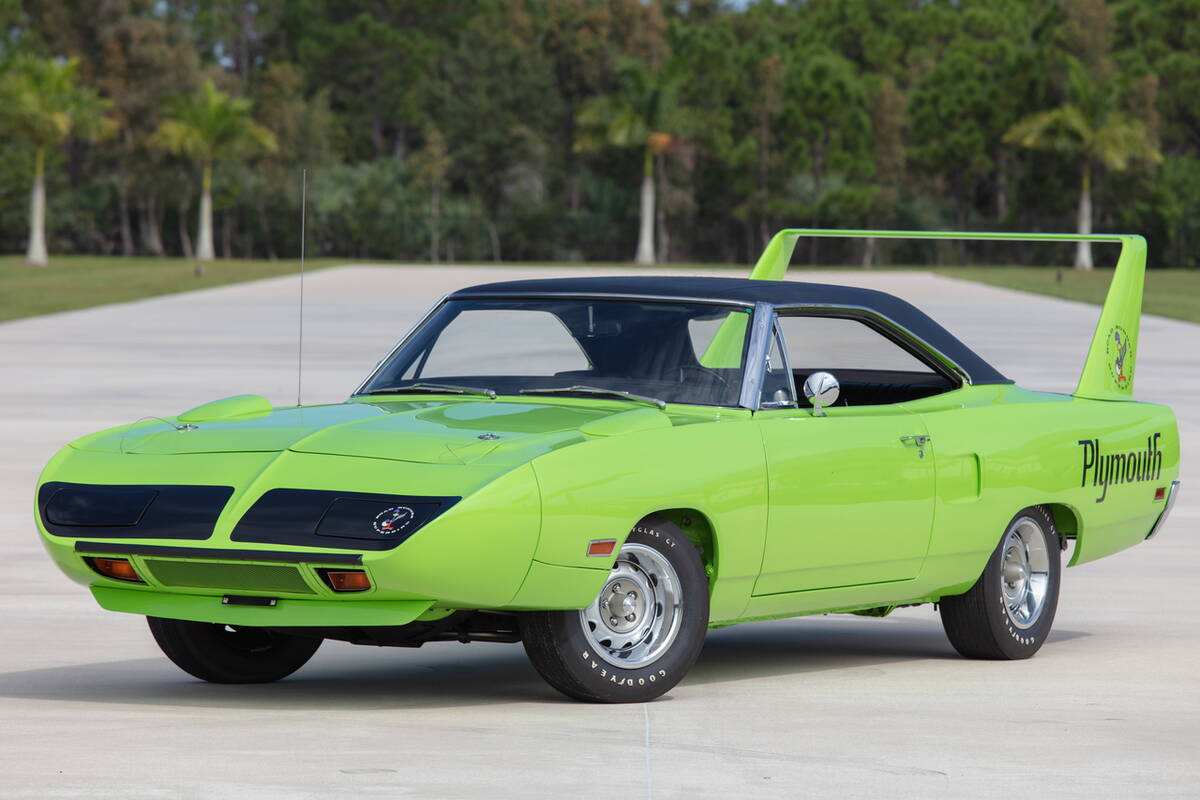
An interesting example is the story of how the 1969 Dodge Charger Daytona and the 1970 Plymouth Superbird got their tall wings. The makers of their massive spoilers confessed that truck access was never a consideration for the size, which debunked a widespread belief among stock car racing fans.
Form follows function as far as performance-oriented spoilers go. Some winged sports cars have gained legendary status because of their exceptional performance, despite their outlandish appearance.
What Are the Different Types of Spoilers?
Spoilers can have different names, depending on where they are on the vehicle. Their location determines how pronounced their influence on car aerodynamics is.
The wing spoiler relies on its inverted airfoil shape to increase air pressure above it and decrease the pressure below it, generating downforce instead of lift force. The pedestal spoiler is situated higher to capture more clean or undisturbed airflow and generate maximum downforce. These spoilers enhance stability and handling the most, but cause much drag.
The lip spoiler, also known as the air dam, can appear on the edge of the trunk or the front bumper. Its low-profile design produces limited downforce, so it’s more aesthetic than functional. This subtle aerodynamic feature gives sedans, coupes and hatchbacks a low-key sporty vibe.
The front spoiler channels the high-pressure air upward and around a car instead of building up around its bumper, causing it to minimize lift and increase traction. Many call front spoilers splitters and mistake them for air dams.
The rear window spoiler aims to reduce drag. It’s attached to a vehicle’s rear window or trunk lid. Many confuse the term with the roof spoiler — the component mounted on the trailing edge between the rear window and the roof, which can reduce either drag or lift.
Car manufacturers use carbon fiber to make high-end performance-oriented spoilers. Fiberglass is a more affordable and lightweight alternative, except it’s not as strong or stiff. Aluminum has gained traction among automakers in the past decade because of its lightweightness and durability, occupying the middle ground.
Polyurethane and acrylonitrile butadiene styrene are standard plastic spoiler options because of their impact resistance and cost-effectiveness. However, the former is heavier than carbon fiber, while the latter is less durable.
How Do Scoops Work?

Scoops capture and direct air to the engine or a supplementary system to elevate vehicle performance at higher speeds.
In most vehicles, the air enters the engine bay through the front grille. However, it can be an inadequate ventilator if you desire a more powerful combustion process to go faster. Scoops solve this problem by capitalizing on the high-pressure air building up at the front of a car while moving to help the engine generate more power or prevent heat damage.
These openings generally appear on the hood as raised sections or separate systems protruding from cutouts. They can have ducts to channel air to specific locations more efficiently.
The downsides of hood scoops are dust exposure and rainwater infiltration. Dust-laden air dirties engine compartments faster and clogs air filters more quickly. Water can soak the filter, restricting airflow and choking the engine. Scoops may also increase drag, rendering the vehicle less aerodynamic. Forward-facing ones are susceptible to rock damage during off-road driving.
Minimizing the vents can mitigate these issues. However, optimal dimensions are essential for scoop utility. Size, shape and angle define a performance-oriented scoop’s ability to draw air in, which should be enough to meet desired power output requirements. Otherwise, a scoop’s usefulness diminishes.
Aesthetic hood scoops are different. They exist purely for visual appeal, so they can be closed off. They don’t let pollutants into the engine bay because they don’t draw in air.
What Are the Different Types of Scoops?
Unlike spoilers, scoops derive their names from their function instead of location. The ram air scoop captures the air pressurized by the moving vehicle’s velocity flowing through the hood. It supplies the engine with air with a higher oxygen density to generate more power. The ram air intake system mainly does this job, but this scoop boosts it.
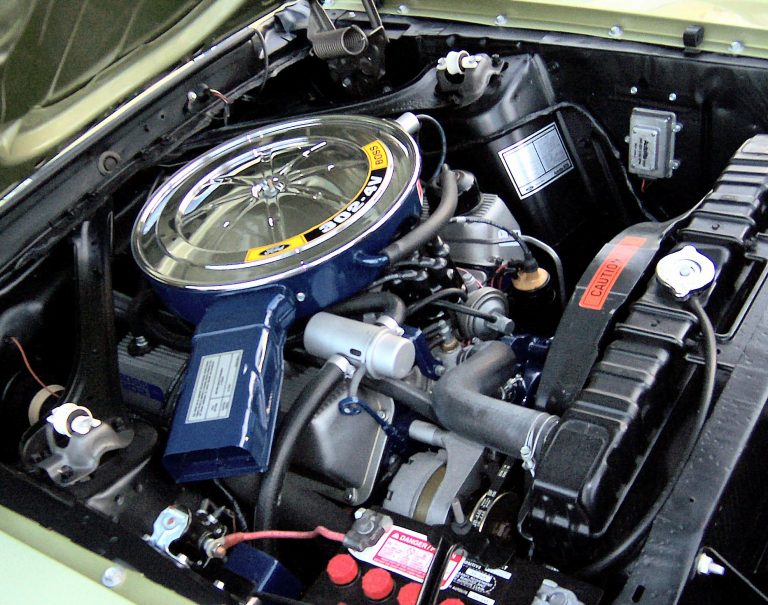
The shaker scoop is a stand-alone system mounted on the air cleaner, jutting out from the hood and usually closed up with an induction seal. This placement allows it to feed the engine directly with high-pressure air. The 1969 Ford Mustang Mach 1’s 428 cubic-inch Cobra Jet V8, which officially produced 335 bhp, could record 400 bhp on drag strips because of its signature shaker hood scoop.
The cowl induction scoop is at the rear of the hood. Its opening faces the windshield, allowing it to collect high-pressure air at the cowl. Some may think this scoop is nonfunctional because the vent is hidden from view, but it’s more practical. Its orientation makes it less vulnerable to rocks and debris.
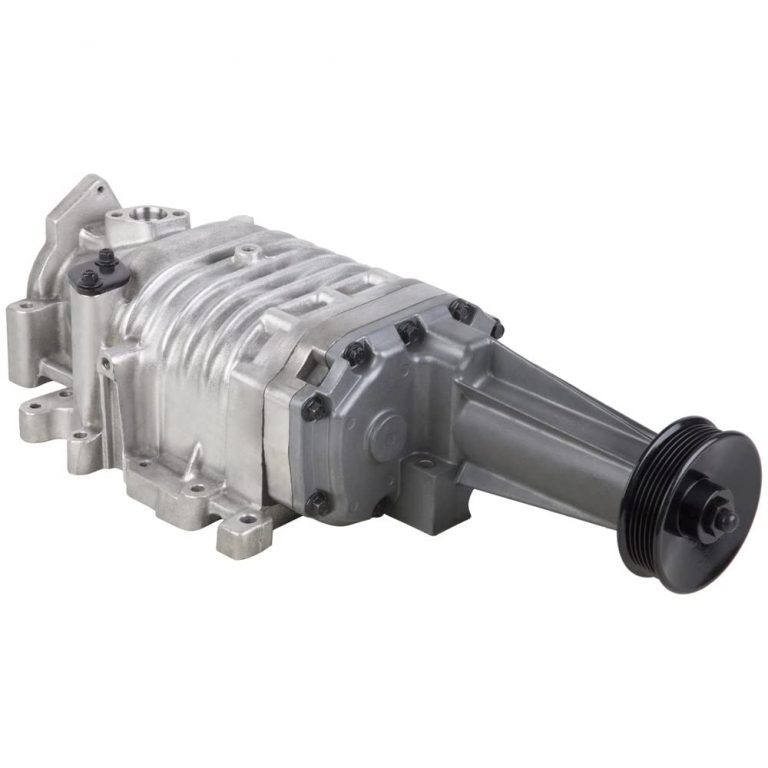
The intercooler scoop is an integral part of a turbocharged or supercharged engine with a top-mounted intercooler. It directly supplies air onto the intercooler fins to cool the air coming from the forced induction system. This mechanism increases the air’s density when it reaches the engine, resulting in higher power output. It also reduces the high temperatures the turbocharger or supercharger system produces to prevent engine damage.
Can Spoilers and Scoops Work Together?
Aesthetically, spoilers and scoops rarely fail to make automobiles flashy. Functionality-wise, combining them doesn’t guarantee a winning formula. The interplay between them produces aerodynamic complications that cause more harm than good.
Airflow interference is a cause for concern. Scoops can affect how the air flows around spoilers. The vents can increase drag significantly enough to offset any downforce gains wings generate. Even worse, scoops may contribute to lift.
Thoughtful integration is crucial to leveraging the merits of spoilers and scoops without negating each other’s benefits. Although custom car builders lack the resources of automakers, some have access to wind tunnel testing. They can measure lift, drag, downforce, and other vital forces when evaluating spoiler and scoop prototypes.
Every design decision can have an unintended consequence, and automotive engineers learn by trial and error. Intensive research is necessary to predict aerodynamic effects, eliminate blind spots and address design issues early. Optimizing spoilers and scoops to the last detail is a tedious but critical process, as there’s no shortcut to reliable tire grip, excellent handling and enhanced power at high speeds.